Address: 309, Sangini Magnus, Rushabh Char Rasta, near Adajan Patiya, Ghanshyam Society, Adajan, Surat | Timings: Mon to Sun (10AM ~ 8PM) | Phone No: +91-9664-697-977

.png)
%201.png)
.png)
309, Sangini Magnus, Rushabh Char Rasta, near Adajan Patiya, Ghanshyam Society, Adajan, Surat - GUJARAT
.png)
BOOK
.png)
CALL
.png)
FIND
1. Overview
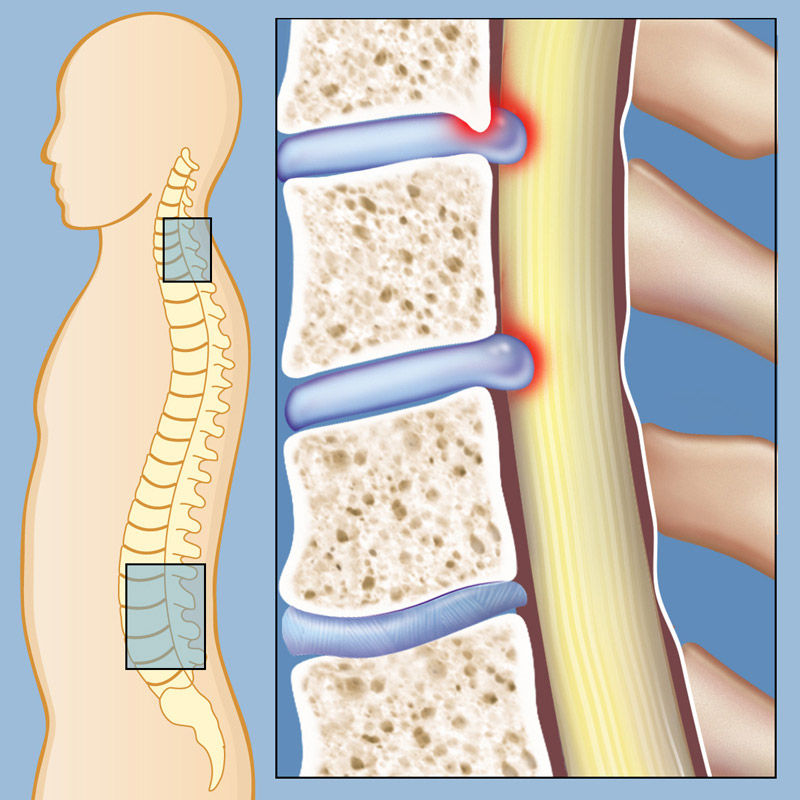
Cervical canal stenosis can be referred to as a condition where the space in the neck that is responsible for protecting the spinal cord becomes narrower that it should be. In a healthy individual, the spinal canal provides enough room for the nerves and cord to work without any pressure, but when the canal tightens, a bone or a soft tissue can press against the spinal cord or any nerve branches. This disease is often a slow process that develops over time. Firstly, the symptoms can be very mild such as stiffness in the neck. With time, the symptoms can get worse – hands tingling, weakness, etc.
2. Causes
The most common reason for cervical canal stenosis to occur is the natural wear and tear that comes up as we grow older. People of older age has their discs in the neck dried out and flattened, and because of this small bony outgrowths can form called as bone spurs. The joints in the spine can also enlarge resulting in shrinkage of the space inside the spinal canal. A neck injury can also result in changing of the shape of the canal and make it narrower. Some people are born with a naturally tight canal, so they may experience symptoms much earlier. There are many other diseases that can contribute to the development of cervical canal stenosis – like arthritis or tumors.

3. High Risk Individuals
Individuals aged over 50.
Anyone suffering from osteoarthritis.
Individuals born with a constricted spinal canal.
Neck injuries patients, whether from sports.
Patients with spinal tumors/inflammatory diseases.

4. Symptoms
Aching or stiffness in the neck.
Tingling or "pins and needles" in the arms.
Reduced grip strength like holding objects.
Clumsiness with fine motor tasks.
Weakness or a feeling of heaviness in the legs.
.png)
5. Clinical Findings by Doctor
When a patient walks in with neck problems, the first step usually starts by asking about the pain – the area, intensity and duration. The patient is asked if they have difficulty in doing everyday tasks – like dropping objects more often, stumbling while walking or fastening buttons or zippers. After listening the story, the neck is examined. Areas around the bones are pressed to check for tender spots. The patient is asked move head in different directions to check for any stiffness. The nerve functioning and reflexes are also checked. The patient is sometimes also asked to walk around the room, to check for their balance. If the patient is suspected of the disease, an MRI is performed to get a clear picture of what’s actually happening.

6. Diagnosis
Blood Test (if req.)
X-Rays
CT Scan/MRI
DEXA Scan
PET Scan
Biopsy (if req.)

7. Treatment
-
Medicine
-
Lifestyle Modifications / Ergonomics
-
Physiotherapy
-
Injection or Pain Management Therapy
-
Surgery (if req.)
Best Spine Surgeon in Surat // Book Your Appointment Today //

Visit Magnus Spine Care
Struggling with Spine Pain then visit Magnus Spine Care Today!
At Magnus Spine Care, we care about our patients getting professional evaluation and treatment that is personalised just for them, providing relief that lasts. This is achieved by combining advanced techniques that are focused to restore your spinal health.
.png)
10+
Years Of Experience
3500+
Successful Spine Surgeries
99%
Satisfaction Rate
